





Fishing in Vermont
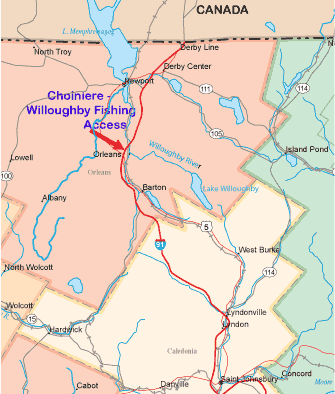
Every Spring, fishermen throughout New England flock to the Choiniere-Willoughby River Access in northeastern Vermont for a fishing experience like no other.The river is known for its abundance of steelhead trout. Studies have shown that the steelheads in the Willoughby have five times the natural reproduction rates of trout in almost any other Vermont river. But, for the past several years the fishing hasn't been that good. The Willoughby flows north from Lake Willoughby to Lake Memphremagog.The Willougbhy River has undergone a number of restocking programs in the last 14 years and mistakes have been made. One of the early programs resulted in the restocking of fish with genetically defective hearts. Unlike so many rivers elsewhere, the Willoughby River is still relatively unpolluted. It is rich in oxygen and particularly appealing to the Pacific coast steelheads which were introduced to the river in the early 1900s. This variety seems the most comfortable in the river according to VT Fish biologist Len Gerardi.
One of the aspects of the Willoughby river which used to make it unique was the opportunity every spring to see dozens of trout jumping the rapids just upstream from the fishing access. In the spring of 2004, the fish didn't start jumping until April 29th. It was a day when the temperature hit 80°F. Many people had waited a long time to see the spectacle. See our slide show
The falls is a wonderful spot to visit and remain an attraction throughout the year. While the Willoughby River is busy from the second Saturday in April through mid-May, there are lesser known areas such as the Barton and Black rivers where you can find steelheads without being in the midst of a crowd of anglers. The Black River runs through Coventry and also has some falls where you may spot some fish jumping in the spring. The river is said to have at least 20 runs and pools with the best fishing in April, May and into early June.
- Information about restocking program on the Willoughby River
- Trout jumping the Willoughby River- video